

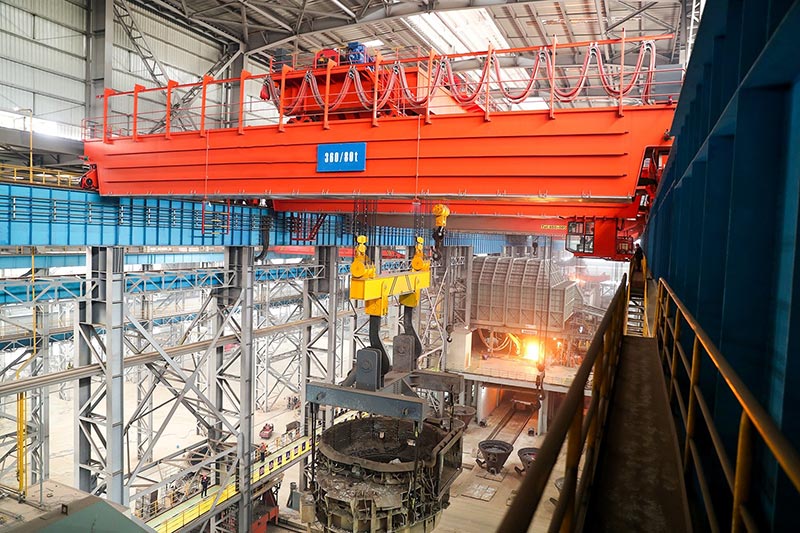
Steel industry cranes are heavy-duty material handling systems designed to support every stage of steel production, from raw material processing to the transportation of finished steel products. They are widely used in steel mills, blast furnace plants, rolling mills, continuous casting workshops, and steel service centers, where reliable lifting performance is essential for maintaining efficient production.
Throughout the manufacturing process, steel industry cranes are responsible for handling scrap metal, molten steel, ladles, billets, slabs, coils, pipes, and structural steel. Their high load capacity and precise control enable operators to move heavy materials safely and efficiently while minimizing production delays and improving workflow.
To withstand the challenging conditions of steel manufacturing, these cranes are built with reinforced structures, heat-resistant components, heavy-duty drive systems, and advanced safety technologies. Designed for continuous operation in environments with extreme temperatures, dust, vibration, and heavy workloads, they deliver consistent performance while ensuring operator safety and equipment reliability.
Steel industry cranes are available in a variety of configurations, including overhead cranes, ladle cranes, charging cranes, coil handling cranes, slab handling cranes, and gantry cranes. Each type is engineered to meet the unique lifting requirements of specific production processes and can be customized according to lifting capacity, span, duty classification, and automation level.
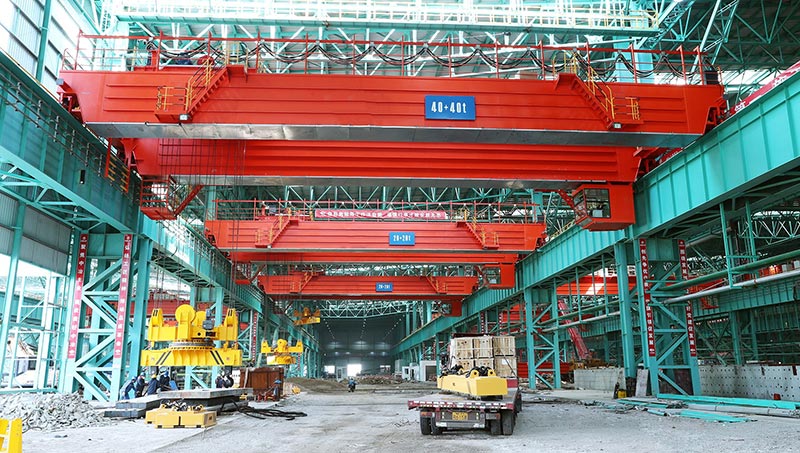
Manufacturing industry cranes are essential lifting solutions designed to improve material handling efficiency in factories, workshops, warehouses, and production facilities. They are widely used to transport raw materials, machine components, workpieces, and finished products throughout the manufacturing process.
These cranes support a variety of production operations, including assembly, machining, welding, storage, and equipment maintenance. By providing accurate positioning and reliable lifting performance, manufacturing industry cranes help reduce manual labor, increase productivity, and ensure a safer working environment.
Designed for continuous operation, manufacturing industry cranes feature durable steel structures, smooth travel mechanisms, and advanced control systems for precise load handling. Modern cranes can also be equipped with intelligent monitoring, variable frequency drives, and remote control functions to further enhance operational efficiency.
Manufacturing industry cranes are available in various configurations to meet different operational requirements. Common types include overhead cranes, gantry cranes, jib cranes, workstation cranes, and electric hoists. Each solution can be customized according to lifting capacity, span, working environment, and production workflow.
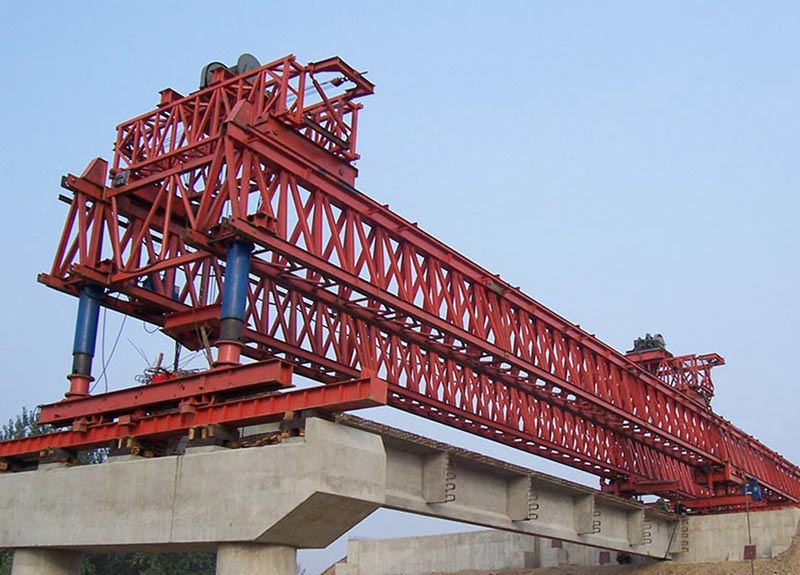
Beam launching and bridge girder erection cranes are specialized lifting equipment designed for bridge construction projects. They play a vital role in installing precast concrete beams, steel girders, and bridge segments with high precision and safety, making them essential for highway, railway, and urban infrastructure development.
These cranes are used throughout the bridge construction process to transport, position, and erect heavy bridge components. Their advanced lifting and traveling systems allow contractors to complete girder installation efficiently while minimizing construction time and reducing labor requirements.
Beam launching and bridge girder erection equipment is engineered to operate under demanding site conditions. With high load capacities, stable structural designs, and precise control systems, these machines ensure safe and accurate placement of bridge girders over rivers, valleys, highways, and other challenging environments.
Common equipment used in the bridge erection industry includes beam launchers, launching gantry cranes, bridge girder erection machines, gantry cranes, and lifting trolleys. Each solution can be customized to accommodate different bridge spans, girder types, lifting capacities, and project requirements.
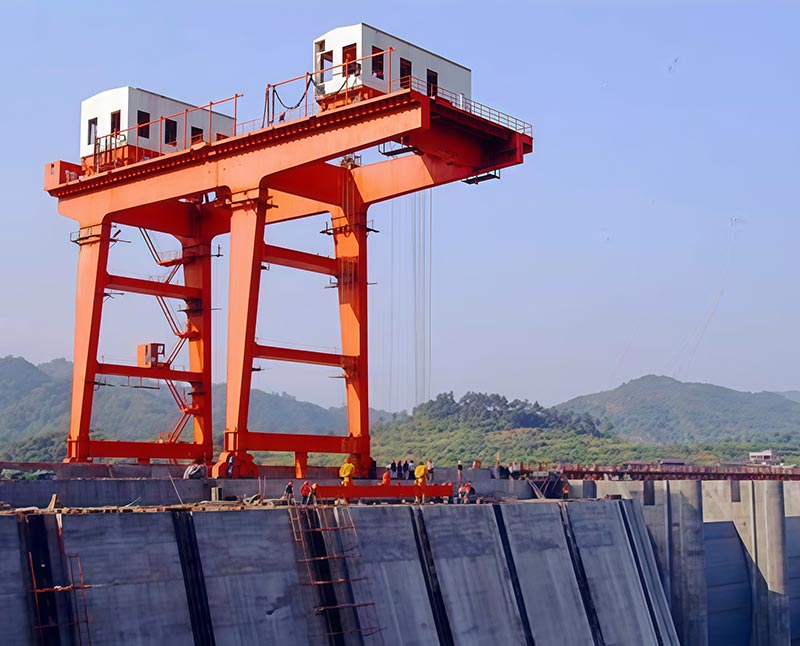
Power industry cranes are specialized lifting equipment designed to support material handling and maintenance operations in power generation facilities. They are widely used in thermal power plants, hydroelectric stations, nuclear power plants, wind turbine manufacturing facilities, and other energy infrastructure projects.
These cranes are responsible for lifting and transporting heavy equipment such as turbines, generators, transformers, boilers, pumps, and other critical components during installation, maintenance, and repair. Their high precision and reliable performance help minimize downtime and improve operational efficiency.
Common types of power industry cranes include overhead cranes, gantry cranes, jib cranes, turbine hall cranes, and maintenance cranes. Each crane can be customized according to lifting capacity, span, working environment, and the specific requirements of different power generation facilities.
With their durability, accuracy, and dependable performance, power industry cranes play a vital role in the construction, operation, and maintenance of modern power plants. They help improve workplace safety, increase maintenance efficiency, and ensure the reliable operation of power generation equipment.
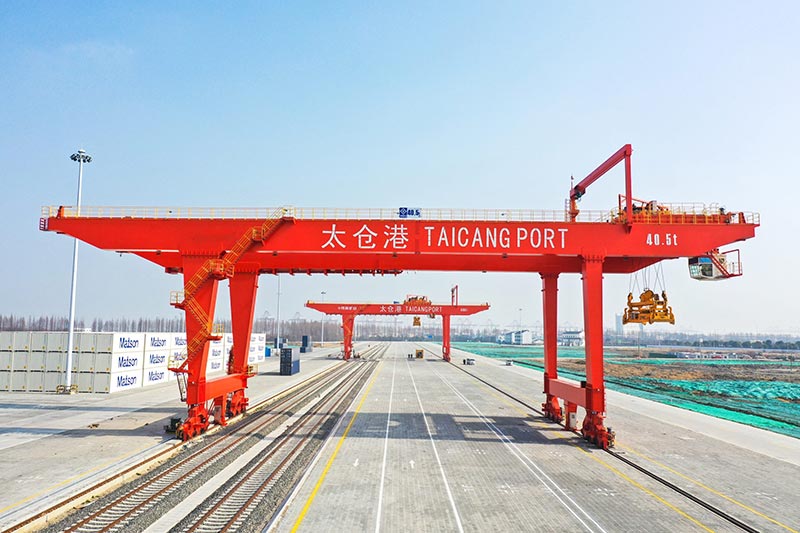
Port machines are specialized material handling equipment designed to support cargo loading, unloading, and transportation in ports, terminals, shipyards, and logistics hubs. They play a critical role in improving cargo handling efficiency and ensuring the smooth operation of global maritime transportation.
These machines are used to handle a wide variety of cargo, including shipping containers, bulk materials, steel products, heavy equipment, and general cargo. Their high lifting capacity and efficient operating systems enable ports to process large cargo volumes while reducing vessel turnaround time and labor costs.
Port machines are engineered to operate continuously in demanding outdoor environments, where they are exposed to heavy loads, strong winds, saltwater corrosion, and frequent operation. They feature robust structural designs, reliable drive systems, advanced automation, and comprehensive safety features to ensure stable performance and long service life.
Common types of port machines include ship-to-shore (STS) container cranes, rubber-tired gantry (RTG) cranes, rail-mounted gantry (RMG) cranes, mobile harbor cranes, portal cranes, and reach stackers. Each type is designed to meet specific cargo handling requirements and improve terminal productivity.
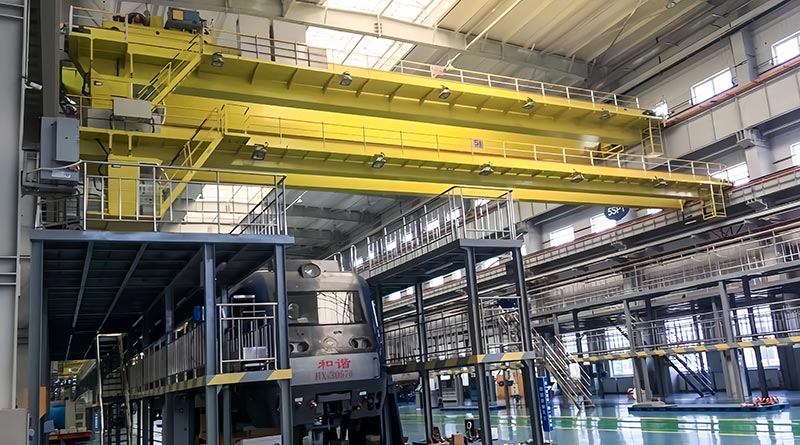
Automobile industry cranes are specialized lifting equipment designed to support material handling throughout vehicle manufacturing and assembly processes. They are widely used in automotive factories, component manufacturing plants, assembly workshops, warehouses, and testing facilities to improve production efficiency and ensure safe handling of heavy parts.
These cranes are used to lift and transport engines, vehicle bodies, chassis, dies, molds, production equipment, and finished components between different production stages. Their precise positioning and smooth operation help streamline assembly lines, reduce manual labor, and enhance manufacturing accuracy.
Common types of automobile industry cranes include overhead cranes, workstation cranes, jib cranes, gantry cranes, and electric hoists. Each solution can be customized to match the lifting capacity, span, production layout, and operational requirements of automotive manufacturers.
With their efficiency, precision, and reliability, automobile industry cranes have become indispensable equipment in modern vehicle manufacturing. They help optimize production workflows, improve workplace safety, reduce downtime, and support the high-quality production standards of the automotive industry.
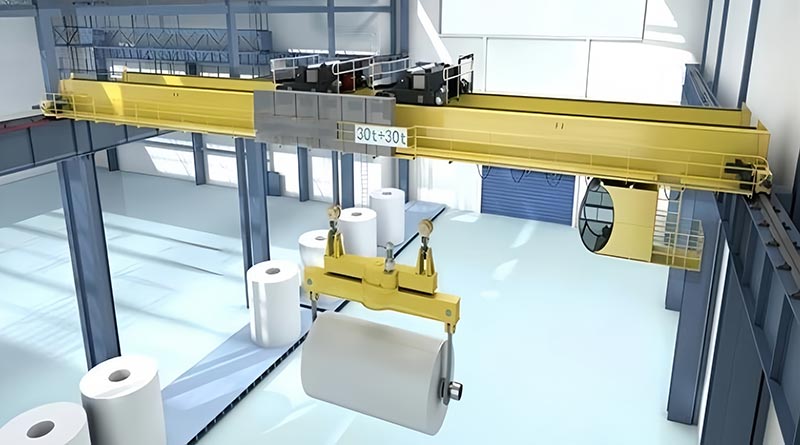
Paper industry cranes are specialized lifting equipment designed to meet the material handling requirements of paper mills, pulp plants, and paper converting facilities. They play an essential role in transporting raw materials, production equipment, paper rolls, and finished products throughout the manufacturing process.
These cranes are used for handling wood chips, pulp, paper reels, machinery components, maintenance equipment, and packaged paper products. Their precise lifting and positioning capabilities help improve production efficiency, reduce material damage, and ensure smooth operation across different production stages.
Paper industry cranes are engineered to perform reliably in demanding environments where continuous operation, moisture, dust, and heavy workloads are common. They feature durable steel structures, smooth lifting mechanisms, advanced control systems, and comprehensive safety devices to provide stable, accurate, and efficient material handling.
Common types of paper industry cranes include overhead cranes, gantry cranes, jib cranes, workstation cranes, and maintenance cranes. Depending on the application, cranes can be customized with specialized lifting attachments such as paper roll clamps, C-hooks, and automated handling systems to meet specific production requirements.
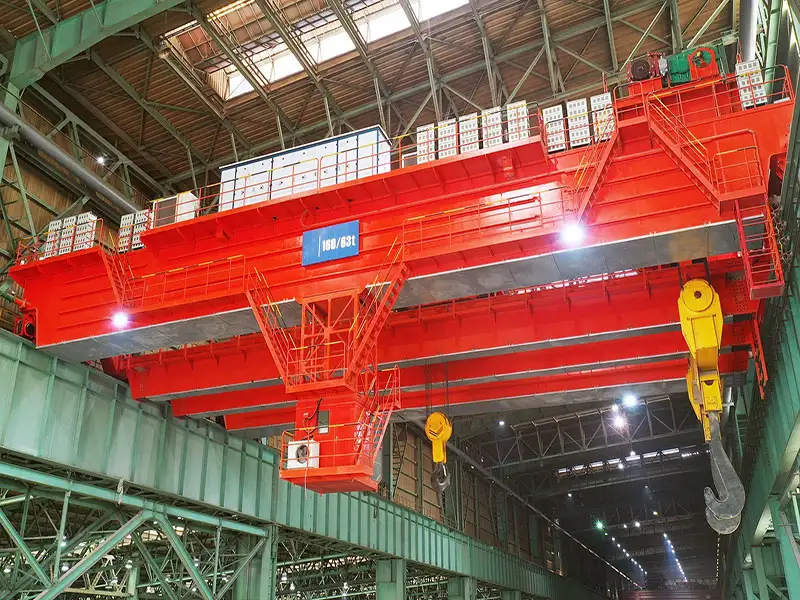
Precast concrete plant cranes are specialized lifting equipment designed to handle heavy concrete components throughout the precast manufacturing process. They are widely used in precast concrete factories, construction material plants, and infrastructure production facilities to improve material handling efficiency and production safety.
These cranes are used to lift and transport concrete molds, reinforcement cages, precast beams, wall panels, columns, pipes, slabs, and other finished concrete elements. Their high lifting capacity and precise positioning ensure smooth production, reduce manual handling, and improve manufacturing efficiency.
Precast concrete plant cranes are engineered for demanding industrial environments where heavy loads, continuous operation, and repetitive lifting tasks are common. They feature robust steel structures, reliable hoisting mechanisms, precise control systems, and advanced safety devices to provide stable, efficient, and accurate material handling throughout the production cycle.
Common types of precast concrete plant cranes include overhead cranes, gantry cranes, semi-gantry cranes, jib cranes, and electric hoists. Depending on production requirements, these cranes can be customized with multiple lifting points, synchronized hoisting systems, remote controls, and automated positioning functions to improve operational performance.
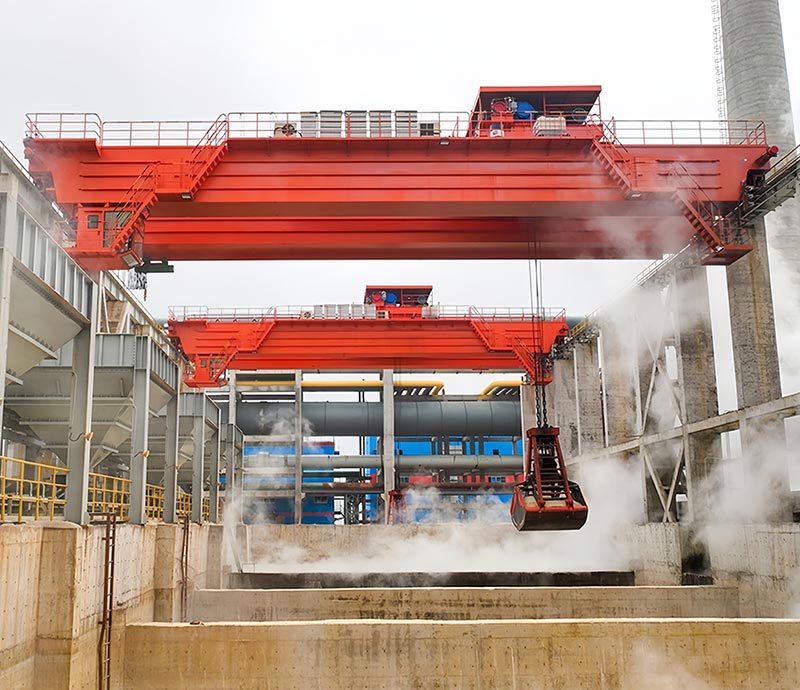
Waste-to-energy and biomass industry cranes are specialized lifting equipment designed to support fuel handling and material transportation in waste-to-energy plants, biomass power stations, and renewable energy facilities. They play a vital role in ensuring continuous fuel supply, improving operational efficiency, and maintaining safe plant operations.
These cranes are primarily used to handle municipal solid waste, biomass materials, wood chips, agricultural residues, refuse-derived fuel (RDF), and other combustible materials. They are responsible for receiving, mixing, storing, and feeding fuel into boilers, helping maintain stable combustion and efficient power generation.
Engineered for demanding operating environments, waste-to-energy and biomass industry cranes are built to withstand continuous operation, high humidity, dust, corrosive gases, and heavy-duty workloads. They feature durable structures, reliable hoisting mechanisms, intelligent control systems, and advanced safety devices to ensure precise and efficient material handling. Many systems also support fully automated operation, enabling unmanned fuel management and optimized plant performance.
Common types of waste-to-energy and biomass industry cranes include overhead grab cranes, bridge cranes, gantry cranes, and maintenance cranes. Depending on plant requirements, cranes can be equipped with hydraulic or electro-hydraulic grabs, automated control systems, remote monitoring, and customized lifting solutions.
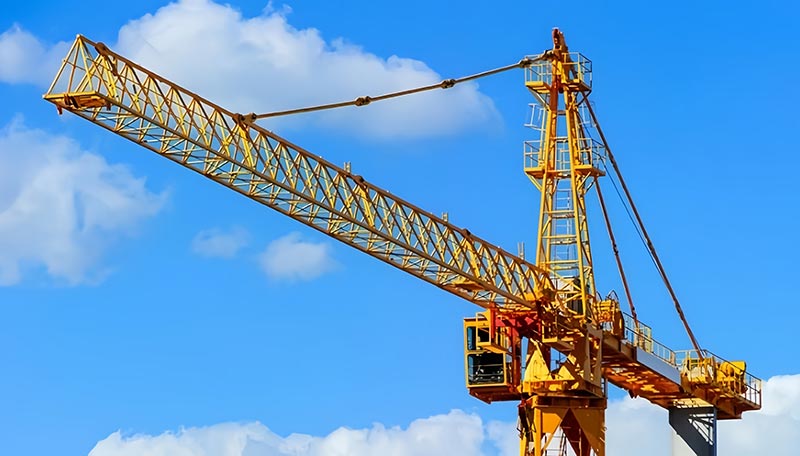
Construction industry cranes are used to lift and transport a variety of construction materials, including steel structures, concrete components, prefabricated modules, machinery, building materials, and heavy equipment. Their high lifting capacity and precise load positioning enable contractors to complete complex lifting tasks safely and efficiently.
Construction industry cranes are engineered to perform in demanding outdoor environments where heavy loads, changing weather conditions, and continuous operation are common. They feature robust structural designs, reliable hoisting mechanisms, advanced control systems, and comprehensive safety devices to ensure stable performance and accurate load handling.
Common types of construction industry cranes include overhead cranes, gantry cranes, tower cranes, jib cranes, mobile cranes, and electric hoists. Depending on project requirements, these cranes can be customized with different lifting capacities, spans, lifting heights, and control systems to meet a wide range of construction applications.
With their strength, reliability, and operational flexibility, construction industry cranes have become indispensable equipment for modern construction projects. They help optimize material handling, improve workplace safety, reduce project timelines, and support the efficient completion of buildings, bridges, factories, and other large-scale infrastructure developments.
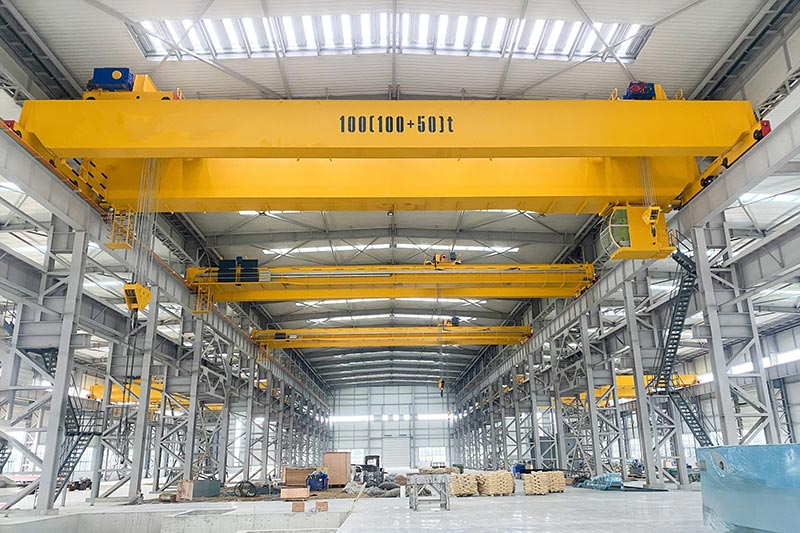
Electrolysis multi-purpose cranes are specialized lifting equipment designed for material handling and maintenance operations in electrolytic aluminum plants and other electrolysis facilities. They are essential for supporting the production process by handling anode assemblies, cathodes, molten metal containers, and maintenance equipment with high precision and efficiency.
These cranes perform a variety of tasks, including anode replacement, crust breaking, busbar handling, cell maintenance, and the transportation of production materials. Their multi-functional design enables a single crane to complete multiple operations, improving productivity while reducing equipment investment and maintenance costs.
Electrolysis multi-purpose cranes are engineered to operate in harsh industrial environments characterized by high temperatures, corrosive gases, dust, and continuous duty cycles. They feature robust steel structures, reliable hoisting mechanisms, precise positioning systems, and advanced safety controls to ensure stable and safe operation. Many models are also equipped with automated functions, remote monitoring, and intelligent control systems to enhance operational efficiency.
Common applications for electrolysis multi-purpose cranes include aluminum smelters, electrolytic metal production plants, and non-ferrous metallurgical facilities. Each crane can be customized according to cell layout, lifting capacity, operating span, and specific production requirements.
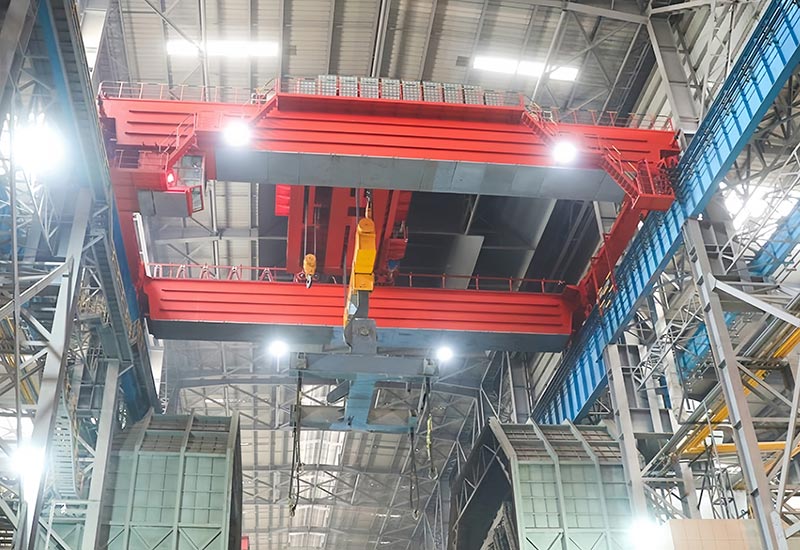
Steel industry cranes are specialized lifting equipment designed to meet the demanding material handling requirements of steel plants, rolling mills, foundries, and metal processing facilities. They are essential for transporting heavy materials safely and efficiently throughout every stage of steel production.
These cranes are used to lift and move a wide range of materials, including scrap steel, molten metal, steel coils, billets, slabs, and finished products. Their high lifting capacity and precise control help improve production efficiency while reducing manual labor and downtime.
Steel industry cranes are built to perform in harsh operating environments where high temperatures, dust, vibration, and continuous operation are common. They are equipped with durable structures, heat-resistant components, reliable braking systems, and advanced safety features to ensure stable and safe performance under demanding conditions.
Common types of steel industry cranes include overhead cranes, gantry cranes, jib cranes, and metallurgical cranes. Each type is designed to support specific production processes, providing reliable material handling solutions for different applications within the steel industry.