
This electric winch is a motorized mechanical device. It utilizes an electric motor to drive a drum, winding steel cables or ropes to generate traction for moving or lifting heavy loads. Whether you are planning to purchase lifting equipment, managing a vessel, or overseeing operations at a construction site, an electric winch offers an ideal solution that is both reliable and easy to operate.
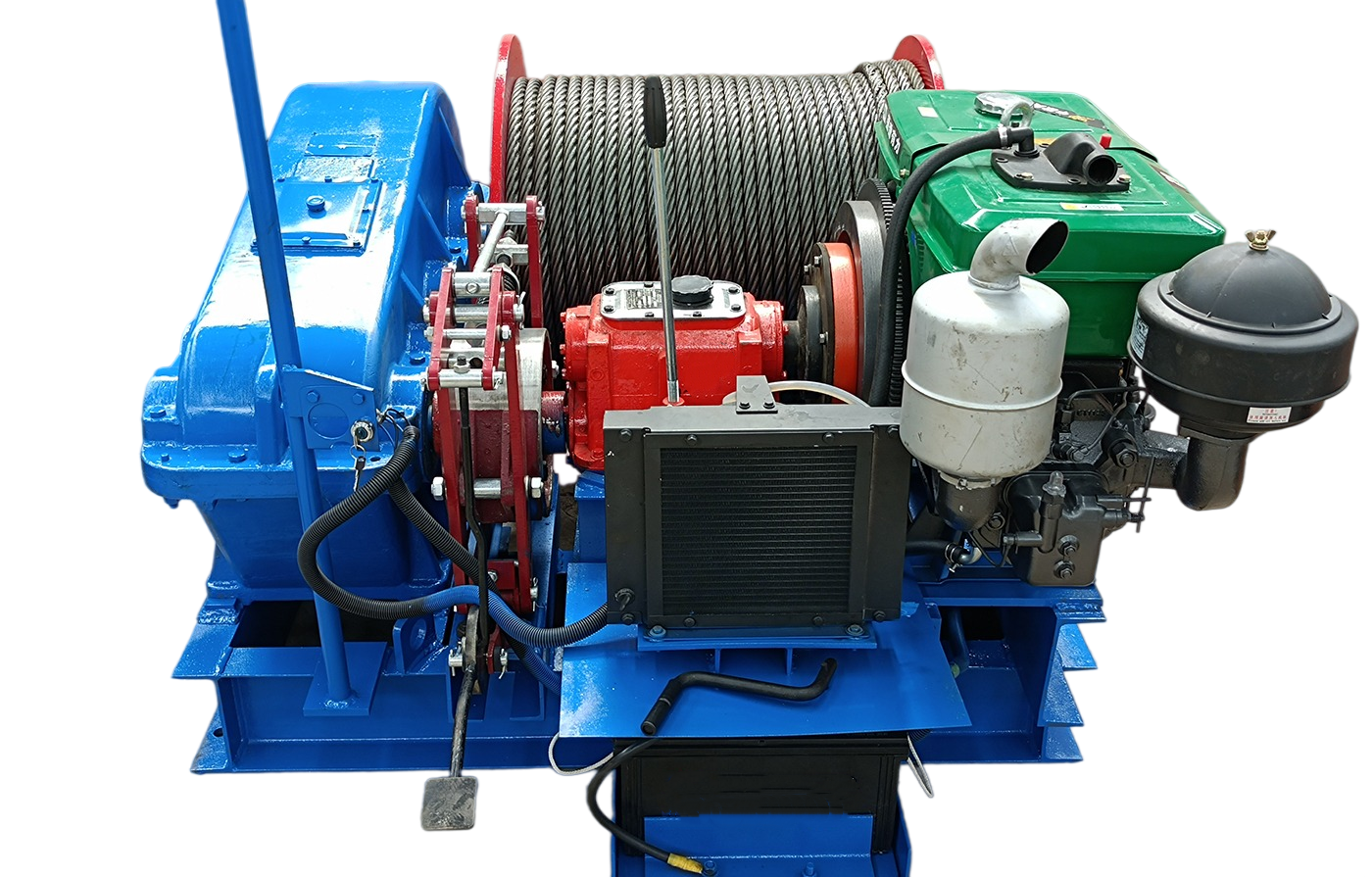
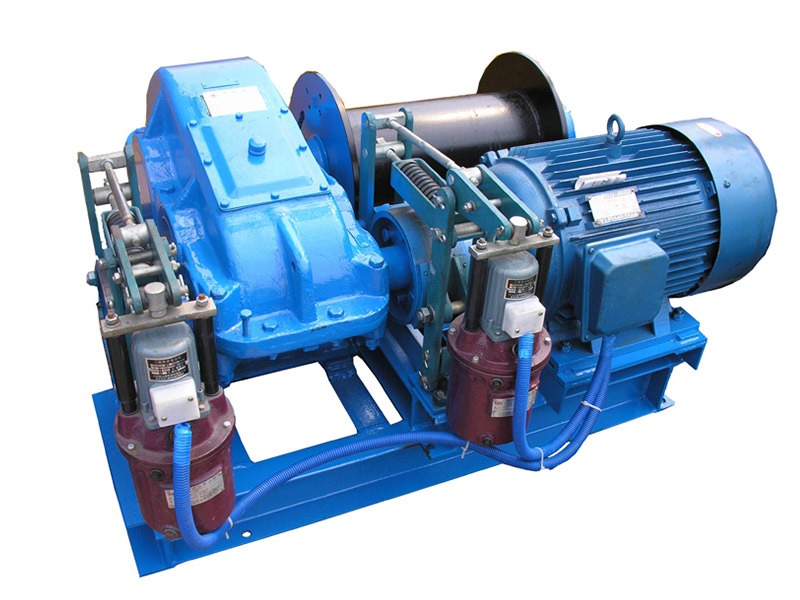
What Is an Electric Winch?
An electric winch is a motorized mechanical traction device that uses an electric motor to drive a drum, winding steel wire rope or synthetic cable to generate pulling force for moving, lifting, or towing heavy loads. Typically powered by a 12V or 24V DC battery, the motor drives a planetary gearbox, which multiplies torque and transmits rotational force to the drum. As the drum rotates, it winds the cable, producing the pulling power.
Whether you are planning to purchase lifting equipment, managing vessel operations, or overseeing a construction site, an electric winch offers a reliable and easy-to-operate solution.
This guide answers the most frequently asked questions from purchasing and operations personnel, covering basic definitions, comparisons with hydraulic winches, pricing, and more — providing a comprehensive decision-making reference.
Key Specification: Rated Line Pull
The most important technical specification is the rated line pull, measured in pounds (lbs) or kilograms (kg). Critical note: This value represents the pulling capacity of the first layer of wire rope on the drum. With each additional layer wound onto the drum, the pulling force decreases by approximately 10% to 15% because the effective lever arm increases as the wire stacks.
Selection Rule of Thumb: For vehicle recovery, choose a winch with a rated pull capacity of 1.5 times the vehicle’s total weight.
Main Applications of Electric Winches
Electric winches are widely used in three core areas:
| Application Area | Description |
|---|---|
| Industrial Lifting & Material Handling | Transport materials along production lines, assist loading dock operations, and integrate into crane systems. Must comply with FEM 1.001 or ISO 4301 industrial lifting standards. |
| Marine & Maritime Operations | Deploy and retrieve anchor chains, mooring lines, and assist with trailer loading. Synthetic ropes are preferred over steel cables because they float and do not store dangerous potential energy under tension. |
| Off-Road Recovery & Vehicle Extraction | Mounted on bumpers of trucks, SUVs, and ATVs. Attach cable to a tree saver strap or fixed anchor point to extract stranded vehicles. |
How an Electric Winch Works
Understanding the working principle is essential for safe operation.
The Motor & Gearbox System
When the user operates the remote control or toggle switch, current flows from the battery to the solenoid control unit. The solenoid delivers power to the motor, causing it to spin at high RPM but with low torque. The planetary gearbox then converts this “high-speed, low-torque” rotation into “low-speed, high-torque” output. All electric winches use a three-stage planetary gear transmission, with each stage further multiplying torque.
The Automatic Load-Holding Brake
When the user releases the switch, the brake automatically engages (no driver action required). Typically positioned between the motor and gearbox, the brake mechanically clamps the drive shaft the moment the motor current is interrupted. Even in a power failure, the suspended load remains stationary and secure.
Heat & Duty Cycle
Electric winches generate heat during loaded operation. For high-intensity, continuous pulling — especially when the drum is fully spooled — users must strictly adhere to the prescribed duty cycle (on/off operation intervals). Exceeding this duty cycle may damage motor windings or burn out the solenoid valve. In practice, staying within the duty cycle depends on good operating habits: using intermittent pressing techniques to allow cooling and recognizing warning signs that signal it’s time to stop and let the motor cool.
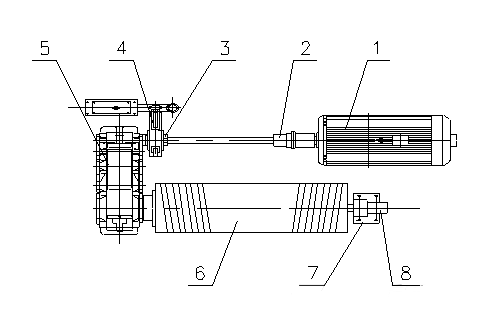
Electric Winch Parts & Their Functions
| Component | Function |
|---|---|
| Electric Motor | Converts electrical energy into mechanical energy to drive the mechanism. |
| Reducer (Gearbox) | Converts high-speed motor rotation into low-speed, high-torque output. |
| Drum | Winds the wire rope to facilitate lifting or pulling through rotation. |
| Wire Rope / Synthetic Cable | Directly bears the load; requires high strength and flexibility. |
| Brake | Provides rapid stopping during operation or in case of power failure. |
| Frame / Base | Supports and secures all components, bearing the entire machine weight. |
| Electrical Control System | Manages start/stop, speed regulation, and safety protection functions. |
Hydraulic Winch vs. Electric Winch: Side-by-Side Comparison
Choosing between hydraulic and electric is a common decision for commercial truck operators, heavy equipment users, and serious off-road enthusiasts. Neither technology is universally superior — the choice depends on your application.
| Factor | Electric Winch | Hydraulic Winch |
|---|---|---|
| Power Source | 12V/24V battery | Vehicle power steering pump or dedicated hydraulic pump |
| Continuous Duty | Limited (duty cycle applies) | Excellent — can run indefinitely as long as the engine runs |
| Installation Complexity | Simple bolt-on with wiring | Complex — hydraulic lines, reservoir, pump integration |
| Performance at Stall | Motor strains, heat builds | Hydraulics absorb stall load without damage |
| Engine-Off Operation | Full performance from battery | No engine = no hydraulic pressure = no winch operation |
| Typical Rated Capacity | 2,000–20,000 lbs (consumer/light commercial) | 8,000–100,000+ lbs (commercial/heavy industrial) |
| Maintenance | Low — brushless motors have few wear parts | Moderate — seals, fluid, pump service required |
| Cost | Lower upfront and installation cost | Higher upfront; justified for heavy-duty continuous use |
| Environmental Temperature | Performance can drop in extreme cold | Less affected by ambient temperature |
When to Choose Electric Winches
Electric winches are the right choice for most light-to-medium applications: personal vehicles, boats under 40 feet, and intermittent industrial tasks. They are easy to install, widely available, and competitively priced. If engine-off operation is critical (e.g., recovering a vehicle with a dead engine), only an electric winch can do the job from a standalone battery.
When to Choose Hydraulic Winches
For heavy commercial recovery trucks, large vessels, logging equipment, and any application requiring extended continuous pull at maximum load, hydraulic winches are the professional standard. Their ability to handle sustained loads without overheating is the deciding factor. Many tow truck operators run both a hydraulic underlift and an electric winch for additional cable work.
Expert Buying Advice
Rather than blindly chasing the lowest price, prioritize:
Choosing a load capacity that matches your application requirements.
Ensuring superior manufacturing quality and material selection.
Verifying compliance with safety certification standards (e.g., ASME, CE, FEM).
This constitutes a more prudent and forward-looking decision that ensures safety, reliability, and long-term value.
Quick Summary: Key Points
| Question | Answer |
|---|---|
| What is an electric winch? | A motorized device for pulling/lifting using a drum and cable. |
| Main applications? | Industrial lifting, marine operations, off-road recovery. |
| What is rated line pull? | Max capacity on the first cable layer; decreases with each layer. |
| When to use electric? | Light-to-medium duty, engine-off operation needed, lower budget. |
| When to use hydraulic? | Heavy-duty, continuous operation, maximum load capacity needed. |
| Price range? | $80 to $8,000+ depending on capacity and quality. |
Frequently Asked Questions (FAQ)
What is the minimum battery size for a 9,500 lb electric winch?
A dedicated deep-cycle battery of at least 650 CCA (cold cranking amps) is recommended. Many experienced users add a secondary battery in a dual-battery system to prevent the winch from draining the starter battery during extended recovery operations.
Can an electric winch be used vertically to lift loads?
No. Standard vehicle recovery winches are not designed for vertical lifting and should not be used as substitutes for hoists or cranes. Purpose-built electric hoists carry ratings for vertical lifting and comply with relevant lifting equipment standards (e.g., ASME B30.7 in the US, EN 14492-2 in Europe). Hoists incorporate power-off load brakes rated for vertical suspension — winches do not.
What is the difference between a winch and a hoist?
Winch: Designed for horizontal or inclined pulling.
Hoist: Engineered specifically for vertical lifting with brakes that can safely hold a suspended load with power off.
Mixing these applications creates serious safety hazards.
How often should I inspect my electric winch cable?
Steel wire rope: Inspect for broken strands, kinks, and corrosion before each use in demanding applications. A full inspection every 3 months or every 50 operating hours is common in industrial settings. Replace immediately if more than 10% of the wires in any lay length are broken.
Synthetic rope: Inspect for cuts, abrasion, and UV degradation. Replace every 3–5 years in high-UV environments.
Why does my electric winch pull weaker than the rated capacity?
Rated line pull always refers to the first layer of wire on an empty drum. Each additional layer increases the drum diameter and reduces pulling force. At the fourth layer, capacity can be 30–40% below the rated single-layer figure. Solution: Use a longer cable and position anchor points to keep most of the rope paid out during heavy pulls.
What is the lifespan of an electric winch?
Consumer winches (occasional off-road use): 10–15 years with proper maintenance.
Industrial winches (continuous service): Rated for defined service life in operating hours (e.g., 1,600–3,200 hours per FEM duty class).
Common wear items: Motor brushes and solenoid contacts on brush-type motors — check annually for regular-use applications.
Related Posts
How to Choose the Right Container Gantry Crane for Your Yard?
In ports, rail transfer stations, and large logistics parks, selecting…
Structural Composition and Functions of Each Component of a Bridge Crane
I. Bridge Structure The bridge frame of a bridge crane…