
Mobility & Access
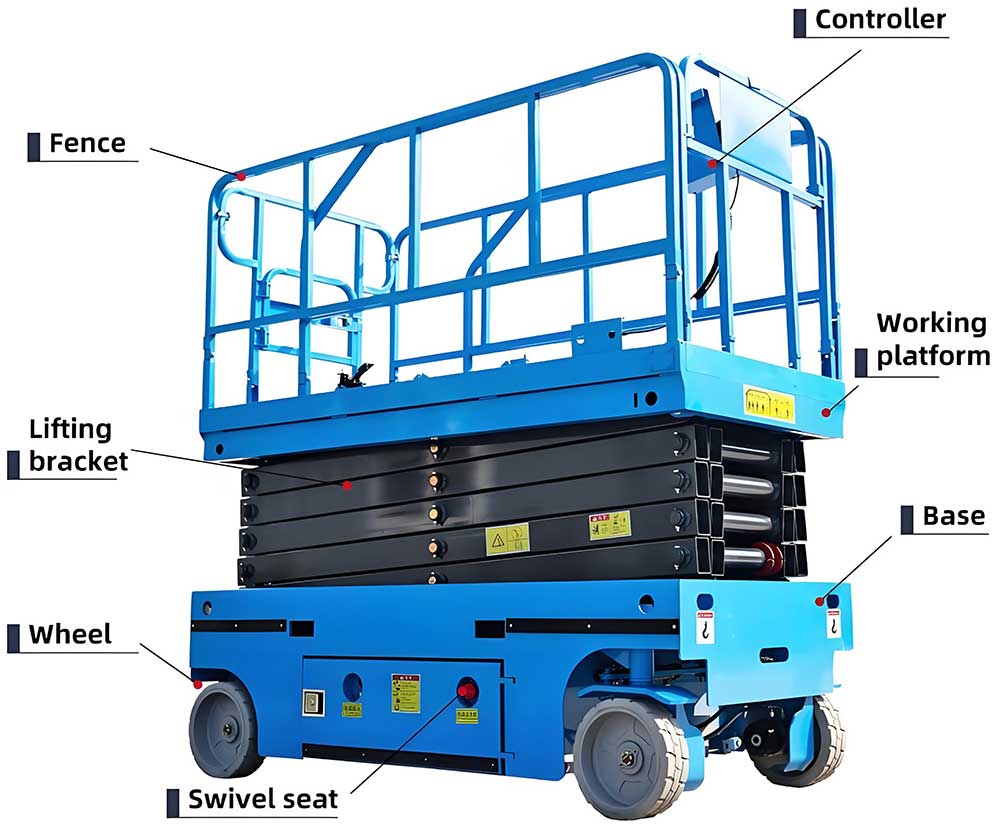
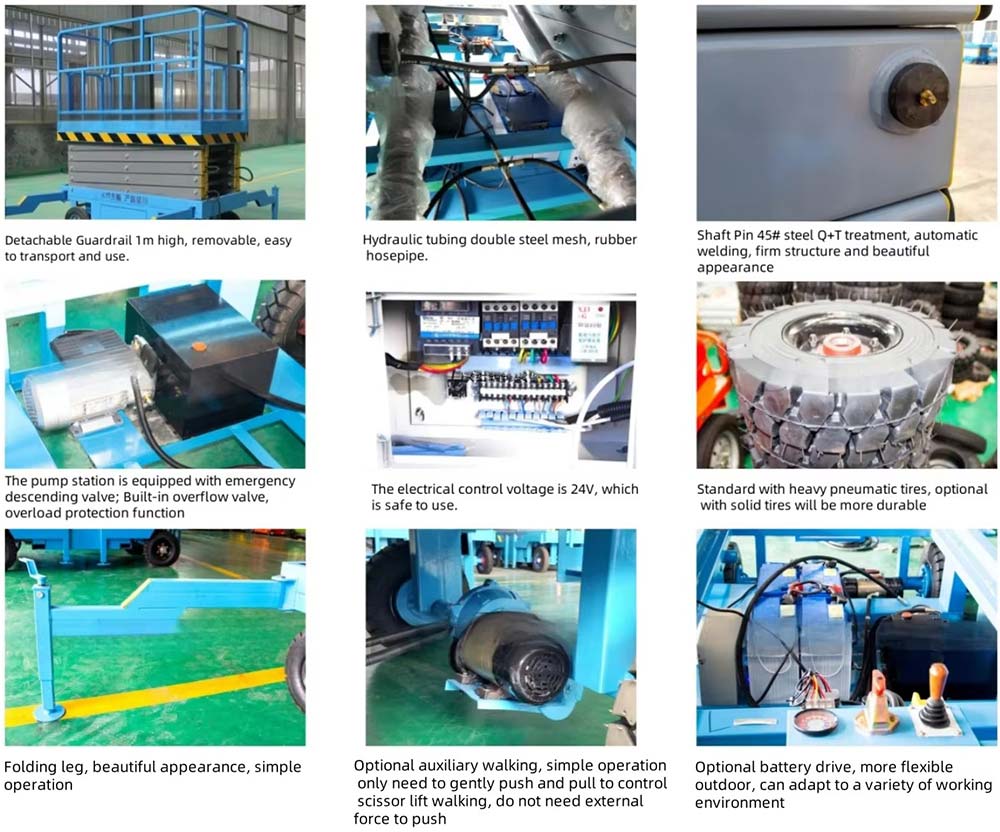
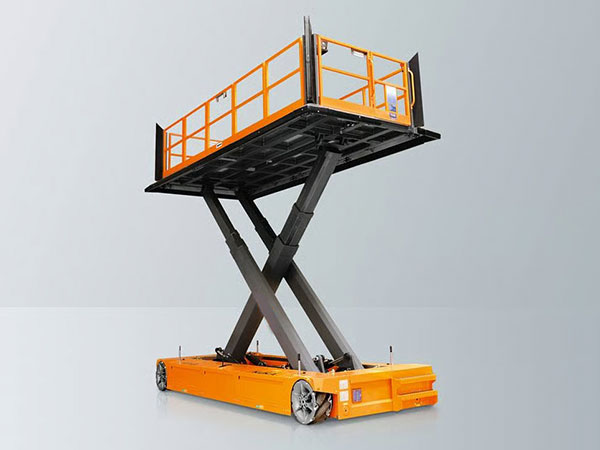
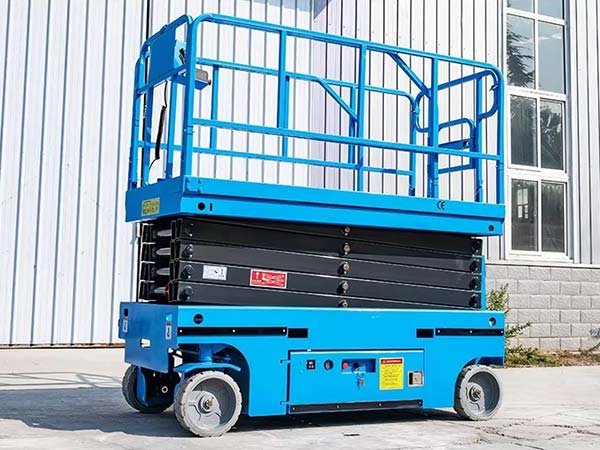
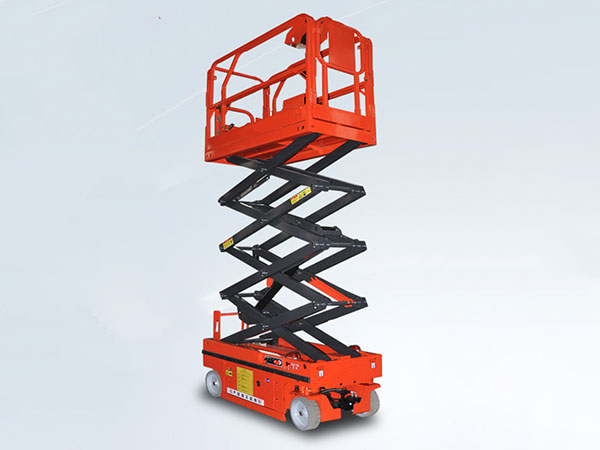
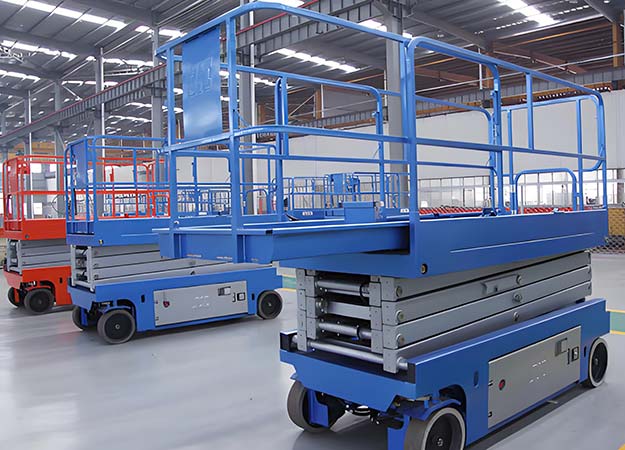
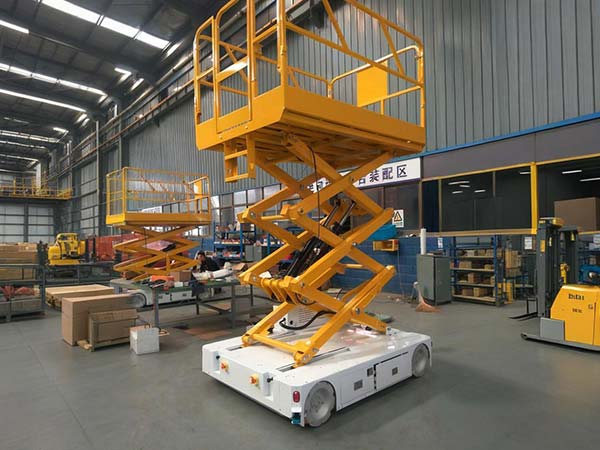
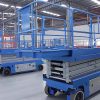
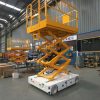
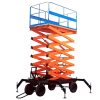
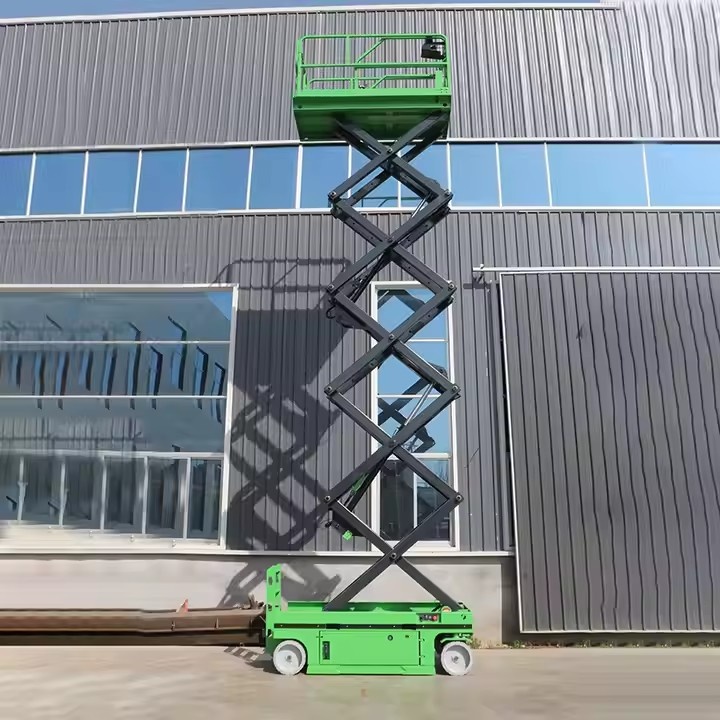
Electric scissor lifts are designed for maneuverability in confined spaces. Compact models offer zero inside turning radius, allowing precise positioning in tight aisles and corridors. Widths as narrow as 30 inches enable passage through standard doorways, while folding guardrails reduce stowed height for transport and storage. Drive systems typically feature front-wheel drive with 2WD and 2-wheel steering, with some models offering four-wheel drive for rough terrain.
Platform & Capacity
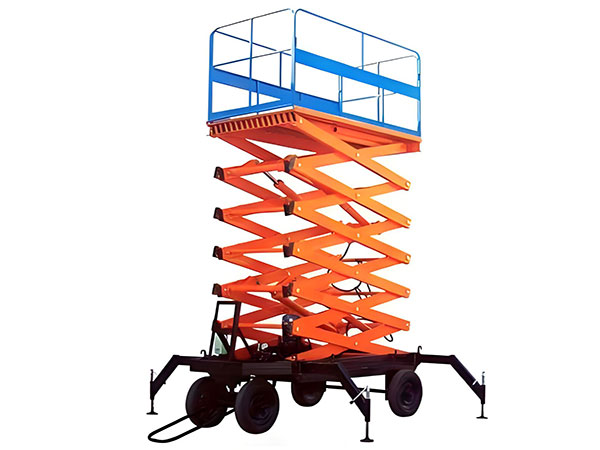
Platforms range from compact single-operator decks to large extended work areas. Standard features include roll-out extension decks (typically 0.91 m / 36 in) for increased working envelope, and platform capacities ranging from 230 kg to over 750 kg depending on model class. Indoor configurations typically allow 2–3 occupants, while outdoor ratings restrict to 1 person due to wind and stability considerations.
Power & Drive
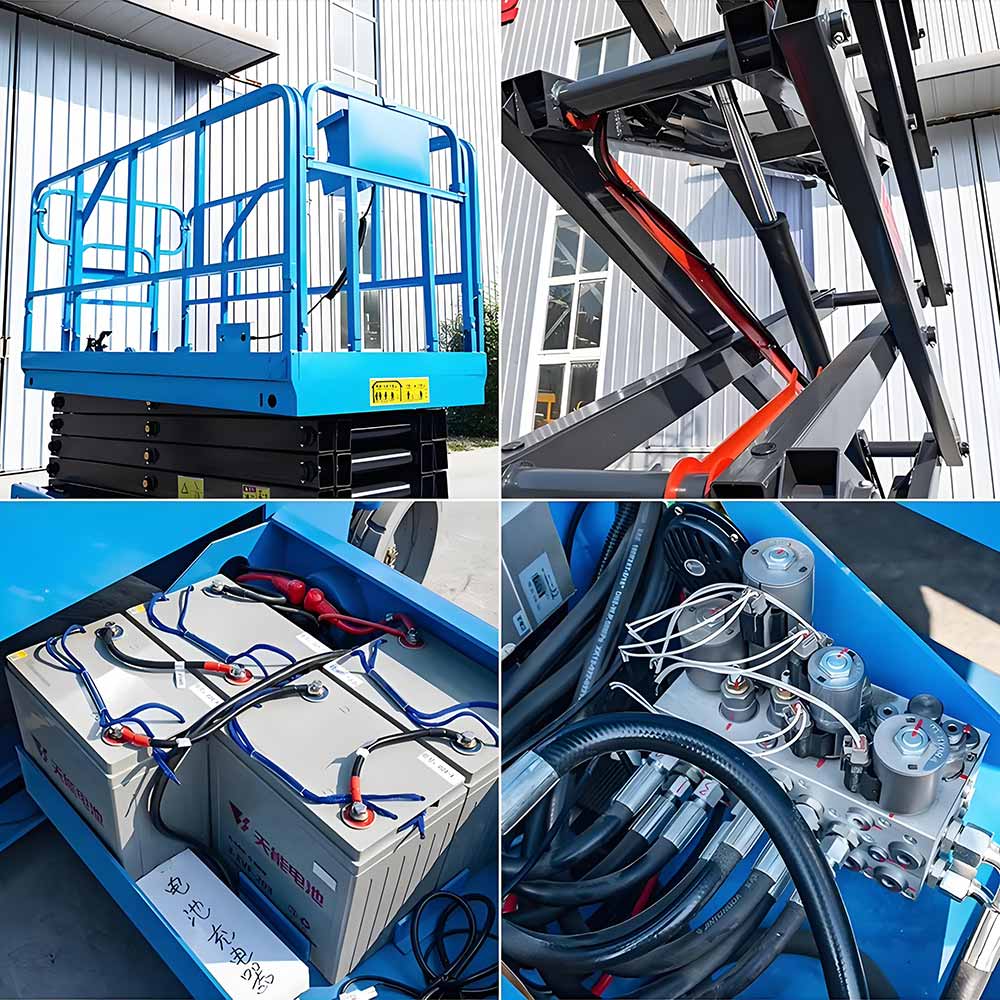
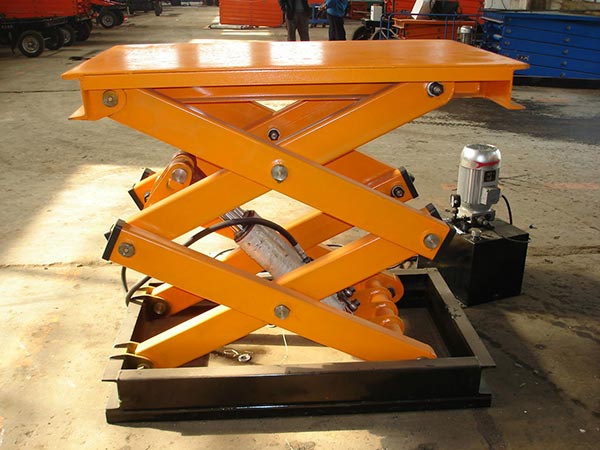
Modern electric scissor lifts predominantly use AC electric drive systems, offering greater efficiency, longer runtime per battery charge, and reduced maintenance compared to older DC or hydraulic drive systems. Battery options include maintenance-free AGM as standard on many models, with lithium-ion available as an upgrade for fast charging, opportunity charging, and extended cycle life. Gradeability is typically 25%, with some crawler models reaching 30%.
Safety Systems
Standard safety features include automatic pothole guard systems that deploy before lifting can commence, tilt protection with audible and visual alerts, overload sensing, emergency lowering systems accessible from ground level, and flashing beacons. Variable tilt technology on some models maximizes the work envelope when operating on slight slopes.
Leak Containment & Clean Operation
Integrated leak containment systems are increasingly standard, particularly on micro-sized models designed for sensitive environments like data centers, hospitals, and retail spaces. These systems capture potential hydraulic fluid drips in custom-fit trays, protecting finished flooring and sensitive equipment. Non-marking tires are standard across most indoor-rated models.
Maintenance & Diagnostics
Onboard fault diagnostics display error codes with resolution guidance, eliminating the need for external analyzers. Swing-out component trays and side-opening doors provide easy access for service. High parts commonality across model ranges simplifies inventory management and reduces downtime. Telematics options enable remote monitoring of battery status, usage hours, and fault codes for fleet management.
Operator Comfort & Control
Proportional joystick controls provide smooth, precise movement. Control boxes are designed for dual-zone operation, with different speed and tilt settings for indoor versus outdoor use. Some models feature color display screens showing real-time machine status, battery level, and operational instructions. Power outlets on the platform allow connection of power tools.